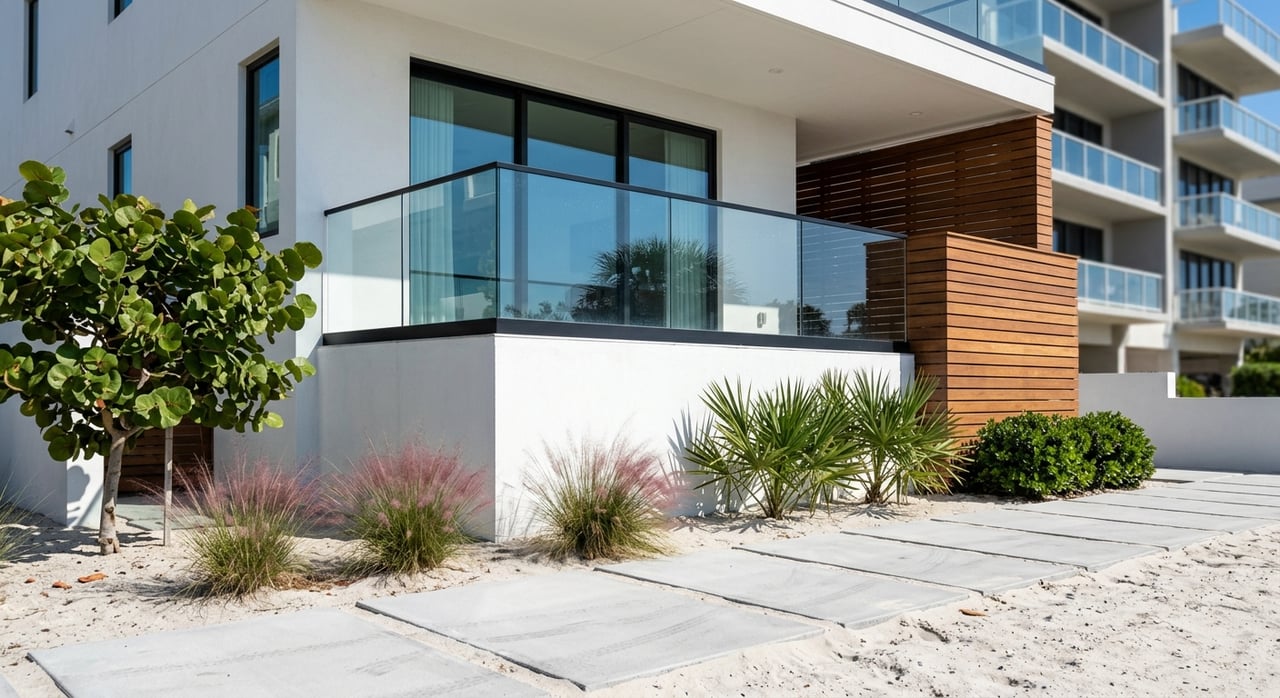
Trying to decide between a condo and a house on Pensacola Beach? It sounds simple at first, but this island market plays by a different set of rules. If you want the right fit for your lifestyle, budget, and long-term plans, you need to look beyond square footage and views. Here’s what to weigh before you choose, and why the details matter so much on Pensacola Beach.
Pensacola Beach Is Different
Before you compare a condo to a house, it helps to understand what makes Pensacola Beach unique. On Pensacola Beach, Escambia County owns the land, and the Santa Rosa Island Authority, or SRIA, administers it.
That means land on Pensacola Beach is generally not purchased in the same way it is on the mainland. Instead, residential property is tied to leasehold arrangements that can run up to 99 years. SRIA also states that improvements on leasehold property require review and approval, which adds an extra layer to ownership for many buyers.
In other words, your decision is not just condo versus house. It is condo versus house within a leasehold coastal market with island-specific rules and costs.
Price Range: Condos Usually Offer Lower Entry Points
If budget is a big part of your decision, current public listing snapshots suggest condos often provide a lower entry price on Pensacola Beach. Recent condo examples on the island range from around $270,000 for a one-bedroom unit to more than $1.1 million for larger or more premium options.
Detached homes, by comparison, show a higher starting point in current listings. Public examples include homes around $789,000, $1.2 million, $1.295 million, and up to $4.499 million.
The broader Pensacola Beach market has recently shown a median listing price around $840,000 to $850,000, with homes averaging about 70 to 71 days on market. While every property is different, current listings suggest condos may be the more accessible option for buyers who want to get onto the island at a lower price point.
Condo Living: More Convenience, More Shared Oversight
For many buyers, the biggest draw of a condo is simplicity. A condo can offer a more lock-and-leave lifestyle, which is especially appealing if you are buying a second home or want less hands-on exterior maintenance.
That convenience comes with structure. Condo ownership on Pensacola Beach usually means association fees, shared decision-making, and building-level rules that affect how the property is maintained and operated.
Florida law also adds important requirements for many condo buildings. Residential condominium associations for buildings that are three habitable stories or higher must complete a structural integrity reserve study at least every 10 years, and local enforcement timing for milestone inspections may be moved earlier in certain conditions, including proximity to salt water.
For you as a buyer, that means condo ownership can be more fee- and inspection-driven than expected. It also means reviewing the association documents is not optional. It is one of the most important parts of due diligence.
House Living: More Space and Control
If privacy, flexibility, and outdoor space matter most to you, a house may be the better fit. Detached homes often give you more room, more separation from neighbors, and more freedom in how you use the property day to day.
That said, a house on Pensacola Beach is not the same as a typical mainland home. Because of the island’s leasehold structure, ownership still comes with SRIA oversight, and improvements may require review and approval.
A house also shifts more direct responsibility to you. Exterior upkeep, repairs, and property maintenance are less centralized than they are in a condo community, so your monthly carrying costs may be less predictable even if you have fewer association obligations.
Costs to Compare Beyond the Purchase Price
On Pensacola Beach, the monthly budget matters just as much as the sale price. Whether you choose a condo or a house, you should look closely at the recurring costs tied to that specific property.
Here are some of the biggest items to compare:
- Leasehold fees tied to the property
- HOA or condo association dues
- Reserve funding levels
- Special assessment history
- Insurance costs for the exact address
- Flood-related expenses
- Ongoing maintenance expectations
For condo buyers, reserve studies, milestone inspection status, association budgets, and financial statements are especially important. Florida law gives resale buyers access to key documents, including the declaration, bylaws, rules, annual financial statement and budget, and, when applicable, milestone inspection summaries and the most recent structural integrity reserve study.
For house buyers, the picture may feel simpler, but it is still important to review any association structure and reserve language. Florida HOA law allows associations to levy assessments and use reserve accounts, so a detached home is not automatically free from shared costs or rules.
Rental Plans Can Change the Answer
If you are buying with short-term rental income in mind, your decision should include more than the property type alone. On Pensacola Beach, the real question is whether the property’s governing documents support the rental plan you want.
Escambia County states that the Tourist Development Tax, or TDT, is 5% of the total rent collected for stays of six months or less. According to the county clerk, this applies to condominiums, single-family homes, apartments, hotels, and other sleeping accommodations.
The county also states that owners or anyone receiving rent must register the property for TDT purposes and file returns monthly. The State of Florida also requires sales tax registration for short-term rental activity. A written residential lease for more than six months may be exempt from TDT.
So if rental income matters to you, verify the rules before you fall in love with a property. For condo buyers especially, the association’s bylaws and rules can make or break your plans.
Flood Risk Affects Both Choices
No matter which property type you prefer, coastal risk needs to stay front and center. SRIA states that every property on Pensacola Beach is subject to flooding.
SRIA also notes that the island has experienced storm-surge flooding and that Hurricane Ivan flooded the entire island in 2004. Because Pensacola Beach is only about eight miles long and a quarter-mile wide at its widest, the island setting is compact and exposed.
This is why flood and insurance questions should be tied to the exact address, not just the building style. A condo may spread some maintenance responsibilities across the association, while a house may put more of that burden directly on you, but flood exposure is still a factor either way.
Daily Logistics Matter Too
Sometimes the smaller line items are the ones buyers forget. Escambia County says the Bob Sikes Toll Bridge charges a $1 toll, with annual pass options available.
That will not decide condo versus house by itself, but it is part of the real cost of island living. If you plan to live on Pensacola Beach full time, use it as a second home, or manage rental activity regularly, it belongs in your monthly planning.
Which Option Fits Your Goals?
The best choice usually comes down to how you want to use the property.
A condo may fit you if:
- You want a lower entry price compared to many island houses
- You prefer a lock-and-leave lifestyle
- You are comfortable with shared governance and association rules
- You want less direct responsibility for exterior maintenance
- You are willing to review condo budgets, reserves, and inspection documents carefully
A house may fit you if:
- You want more privacy and living space
- You value yard space or more separation from neighbors
- You want more control over how the property functions day to day
- You understand that improvements may still require SRIA approval
- You are prepared for more direct maintenance and ownership responsibility
Questions to Ask Before You Decide
Whether you are leaning condo or house, these are smart questions to ask early:
- Is the property on a leasehold, and how much time is left on the lease?
- What are the current lease fees and association dues?
- Has the property had any recent or pending special assessments?
- If it is a condo, what do the reserve study and milestone inspection documents show?
- If rental income matters, do the governing documents allow your intended use?
- What does the flood and insurance picture look like for this exact address?
These questions can save you from surprises later. They also help you compare properties more accurately, especially when two listings seem similar at first glance.
The Bottom Line on Pensacola Beach
On Pensacola Beach, the condo-versus-house decision is really a choice between predictability and autonomy inside a leasehold coastal market. A condo often offers convenience, a lower entry point, and a more centralized ownership experience. A house often offers more space, privacy, and control, but with more direct responsibility and the same island-specific lease and flood considerations.
That is why local guidance matters here. When you understand the lease structure, the recurring costs, the rental rules, and the property-specific risks, you can make a decision that fits how you actually want to live and invest on the beach.
If you want help comparing condos and houses on Pensacola Beach, Malinda Metzger can help you sort through the lease details, association documents, rental considerations, and neighborhood options so you can move forward with confidence.
FAQs
What is different about owning property on Pensacola Beach?
- Pensacola Beach operates under a leasehold structure administered by SRIA, with Escambia County owning the land, so ownership is different from a typical mainland fee-simple purchase.
Are condos usually cheaper than houses on Pensacola Beach?
- Current public listings suggest condos often have lower entry prices than detached homes, although prices vary widely by size, location, and condition.
What condo documents should buyers review in Florida?
- Florida condo resale buyers should review documents such as the declaration, bylaws, rules, annual financial statement, budget, and, when applicable, milestone inspection summaries and the most recent structural integrity reserve study.
Can you use a Pensacola Beach condo or house as a short-term rental?
- Both property types may be used for short-term rental depending on the governing documents, and owners must also follow Escambia County Tourist Development Tax rules and applicable Florida sales tax registration requirements.
Does flood risk affect condos and houses on Pensacola Beach?
- Yes. SRIA states that every property on Pensacola Beach is subject to flooding, so flood exposure and insurance should be reviewed for the exact address regardless of property type.
What should buyers compare besides the list price on Pensacola Beach?
- Buyers should compare lease fees, HOA or condo dues, reserve funding, possible special assessments, insurance costs, flood exposure, and any rules that affect intended use.