Thinking about selling your Gulf Breeze home and not sure where to start? You want a smooth sale, strong offers, and as few surprises as possible. With a clear plan tailored to our coastal market, you can get your home photo ready, inspection ready, and buyer ready. This guide gives you the exact steps, documents, and timeline you need to launch with confidence. Let’s dive in.
Pick the right timing
Spring is typically the highest buyer-traffic window in most markets, including coastal Florida. Many sellers target April or May to capture momentum and family timelines tied to the school year, which lines up with what national research highlights about the spring selling season. If you have flexibility, consider listing as you approach this window to maximize exposure according to industry analysis on timing your list date.
If you or your buyer pool includes military personnel with PCS schedules, expect peak activity in late spring through summer. Small markets like Gulf Breeze can shift week to week based on inventory, so check current local data as you approach your go-live date. Metro-level trends from the Pensacola area can also help you set expectations on seasonality and velocity, but use a current CMA for exact pricing.
Handle inspections early
Smart sellers handle the biggest unknowns before buyers tour. A pre-listing inspection can help you reduce renegotiations and speed up your timeline. Many sellers find that sharing a clean report increases buyer confidence and keeps negotiations focused on price rather than repairs. See why a seller-side inspection is a proven strategy in the pre-list stage in this overview of pre-listing inspection benefits.
Prioritize these Florida and coastal must-dos:
- General home inspection. Fix high-priority safety issues and any water-intrusion items first. Keep receipts and before-and-after photos ready for your disclosure packet.
- Termite/WDO inspection. The Panhandle has active subterranean and Formosan termite pressure. Have a recent WDO report and treatment history available, as explained by UF/IFAS guidance on termites in Florida.
- Wind mitigation and insurance docs. In Florida, a current wind mitigation inspection and proof of updates like newer roofs, impact windows, or enhanced roof-to-wall connectors can help insurers apply credits. Keep permits and installer documents organized, and review the state’s wind mitigation overview for consumers.
- Roof, HVAC, and moisture checks. Coastal conditions accelerate exterior wear, roof flashing issues, and HVAC coil corrosion. Annual roof and HVAC servicing is common near the water. Document recent service to reassure buyers, and consider a roof certification if your roof is older. Learn why salt and humidity call for extra maintenance in this review of coastal home care best practices.
Waterfront prep checklist
Waterfront and water-access buyers look closely at structure, permits, and flood details. Get ahead of these questions before photos and showings:
- Seawall and dock. Order a marine-contractor inspection for structure, pilings, scour, and dock electrical. Gather permits and as-builts for seawalls and docks. If records are incomplete, an engineer’s condition letter helps. For a process overview, see this Florida-focused guide to waterfront permitting and documentation.
- Flood paperwork. Collect any Elevation Certificate, flood insurance declarations, and a history of flood claims. If there is a question about your flood zone, learn how FEMA evaluates map changes and determinations through the LOMA/LOMR process.
- Title, easements, and HOA rules. Confirm riparian rights, public vs. private easements, and any HOA restrictions for docks, lifts, or dredging. Note any special assessments connected to shoreline work.
Curb appeal that works
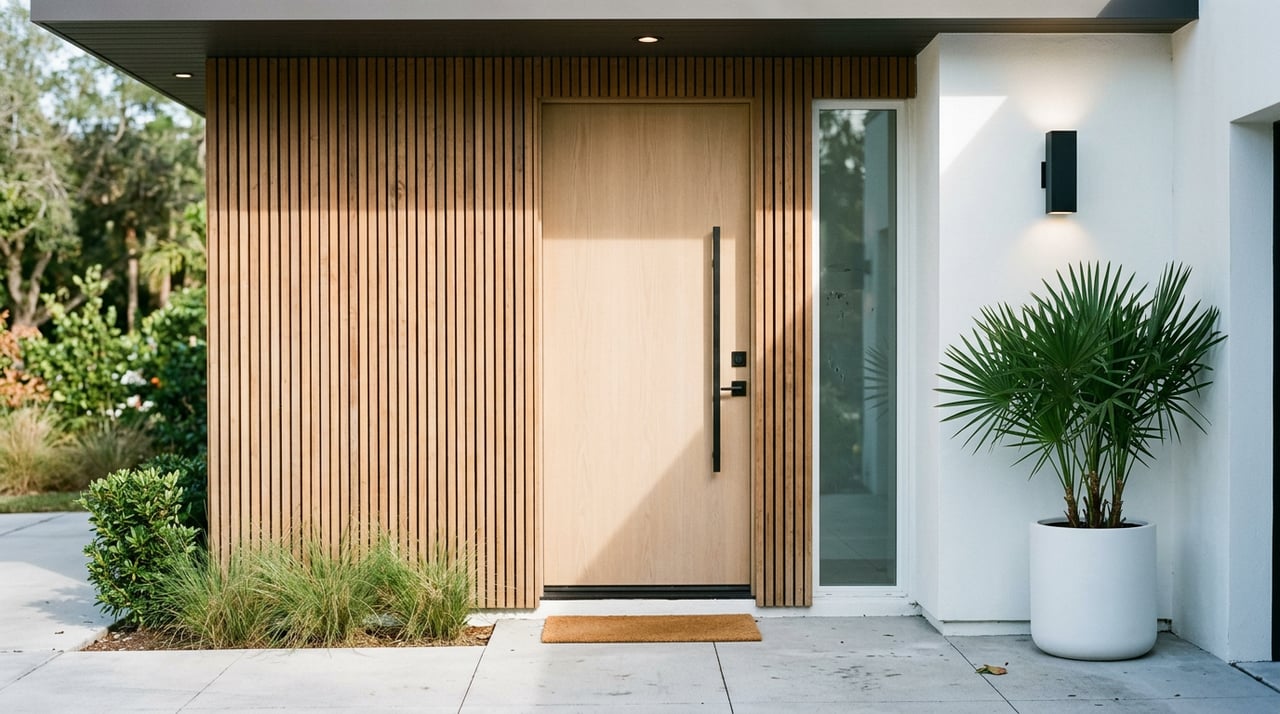
Salt spray and humidity can make wear and algae show up fast in photos. A fresh exterior signals low maintenance and care, which helps buyers feel confident. As this coastal maintenance overview notes, exterior finishes and metals near salt air often need more frequent attention, so be strategic about updates that photograph well and age well in coastal conditions.
High-impact exterior tasks by budget and time:
- Low cost, days to 1 week:
- Soft wash siding and walkways. Clean gutters. Replace a few damaged shingles or fascia boards.
- Caulk and paint the front door. Refresh house numbers and mailbox. Wash windows before photos.
- Tidy beds and remove dead palm fronds for a clean, coastal look.
- Medium cost, 1 to 3 weeks:
- Service and clean the outdoor HVAC condenser and keep the service invoice ready for buyers.
- Replace corroded exterior hardware with stainless or compatible fasteners. Add warm outdoor lighting.
- Repaint or replace a dated garage door to modernize curb presence.
- Higher cost, 2 to 8 weeks:
- Address major roof work if the roof is near end of life.
- For waterfront homes, plan time for seawall or dock repairs and any needed engineering or permitting.
For landscaping, choose salt-tolerant, low-maintenance options that suit coastal Florida, such as yaupon holly or muhly grass. The UF/IFAS Florida-Friendly guide is a helpful resource for plant selection and care for the Panhandle’s climate and soils. Explore the state’s coastal plant recommendations to keep your yard attractive year-round.
Stage with local lifestyle
Staging should help buyers imagine a simple, beach-to-home routine and flexible everyday living.
- Declutter and depersonalize. Keep decor light and neutral with a subtle coastal nod. Pack away heavy themes.
- Focus on kitchens and baths. Clear counters, update dated hardware, refresh grout and caulk, and use light paint to maximize brightness. Small touches in these rooms have an outsized effect on buyer perception.
- Showcase outdoor living. Set up weatherproof seating on patios or decks. Keep sightlines to the yard or water clear. If you have a dock, coil lines neatly and remove clutter. Do not stage on a structure that needs repair.
- Create a pre-listing packet. Include inspection reports, warranties, permits, wind mitigation forms, and flood documents. Packaging these materials can streamline buyer due diligence and reduce uncertainty. See how a seller-side inspection supports this approach in the pre-listing inspection overview.
Targeted messaging
Different buyer groups focus on different details. Tailor your listing remarks and showing prep accordingly.
- Families. Many buyers consider school zones when deciding where to live. Santa Rosa County schools reported A ratings, as covered in local news reporting on district performance. Keep language neutral and factual when you note the zoned schools for your address.
- Coastal lifestyle buyers. Highlight seawall and dock condition with dates of recent inspections or repairs. Note slip size, power to lifts, and practical access details that affect daily use.
- Commuters and military. Share realistic commute ranges to downtown Pensacola and NAS Pensacola and mention flexibility on closing timelines to support PCS schedules.
8-10 week prep timeline
Use this example to stay organized. Compress it if you need to move faster.
Weeks 1 to 2
- Select your listing agent and align on pricing strategy and timing.
- Order a pre-listing home inspection and a termite/WDO report. See benefits of a seller inspection here: pre-listing inspection benefits.
- Schedule a roof inspection or certification if your roof is older. Service the HVAC and keep the invoice.
- If you have waterfront features, gather dock and seawall permits and request a current condition letter.
- Pull any existing survey and Elevation Certificate, or order new if needed.
Weeks 2 to 4
- Complete high-priority repairs tied to safety, moisture, or electrical items.
- Obtain wind mitigation documentation if you have qualifying upgrades. Review the state’s mitigation guidance.
- Start exterior refreshes and begin decluttering indoors.
Weeks 4 to 6
- Finish light updates, staging, and landscape touchups.
- Schedule professional photography and a virtual tour to capture natural light and any water views.
- Assemble your pre-listing packet with inspection reports, permits, warranties, and flood documents.
Week 6 and beyond
- List your home, ideally in spring if possible. Research shows April often aligns with stronger buyer engagement, as noted in this analysis on seasonal listing timing.
- Host early previews and adjust price or presentation based on initial feedback.
Anticipate common flags
Coastal properties in Gulf Breeze share a few inspection themes. Being proactive can save time and stress.
- Roof and flashing. Wind wear and shortened life from salt or algae are common along the coast. An early inspection helps you address issues and document condition.
- HVAC corrosion. Outdoor units near salt air can show restricted coils and finish loss. A professional clean and service is often the right first step, as noted in guidance on maintaining systems in coastal environments.
- Moisture and drainage. Inspect attic and crawl areas for signs of leaks or ventilation issues. Correct grading and gutter performance to move water away from the structure.
- Termites and other WDOs. Secure a current WDO report and keep any treatment records ready, per UF/IFAS termite guidance.
- Docks and seawalls. Buyers will want evidence of structural soundness and permits. If major work is needed, plan for permitting and possible engineering. An inspector’s perspective on common issues can help you prepare for buyer questions, such as those noted by regional inspection pros.
Ready to list with confidence
You do not need to do everything to win a great offer. Focus on the high-ROI basics: clean inspections, clear documentation, standout photos, and staging that shows a simple coastal lifestyle. When you combine that with strategic timing and strong local marketing, you set yourself up for a smoother sale.
If you are planning to sell in Gulf Breeze or nearby Pensacola Beach, let a local expert guide the process from prep to closing and coordinate trusted vendors for you. Reach out to Malinda Metzger to schedule your free local market consultation and start your step-by-step plan.
FAQs
What month is best to list in Gulf Breeze?
- Spring typically brings the strongest buyer traffic, with April often highlighted as a smart list month based on seasonal research. Check current local inventory before you pick a week.
What inspections should I order before listing?
- A general home inspection, termite/WDO report, and checks for roof, HVAC, and moisture are smart in our coastal climate. For waterfront homes, add a seawall and dock condition report.
Which documents do buyers and insurers ask for in Florida?
- Wind mitigation forms, permits and warranties for upgrades, roof documentation, and any flood-related records such as an Elevation Certificate are commonly requested.
How do I prepare a dock or seawall for sale?
- Get a recent marine inspection, gather permits and as-builts, tidy the area for photos, and be transparent about any repairs. Plan time for permitting if major work is needed.
What landscaping works best near the coast?
- Choose salt-tolerant, low-maintenance plants recommended for coastal Florida. The UF/IFAS Florida-Friendly list is a good starting point for selections that look great and hold up well.