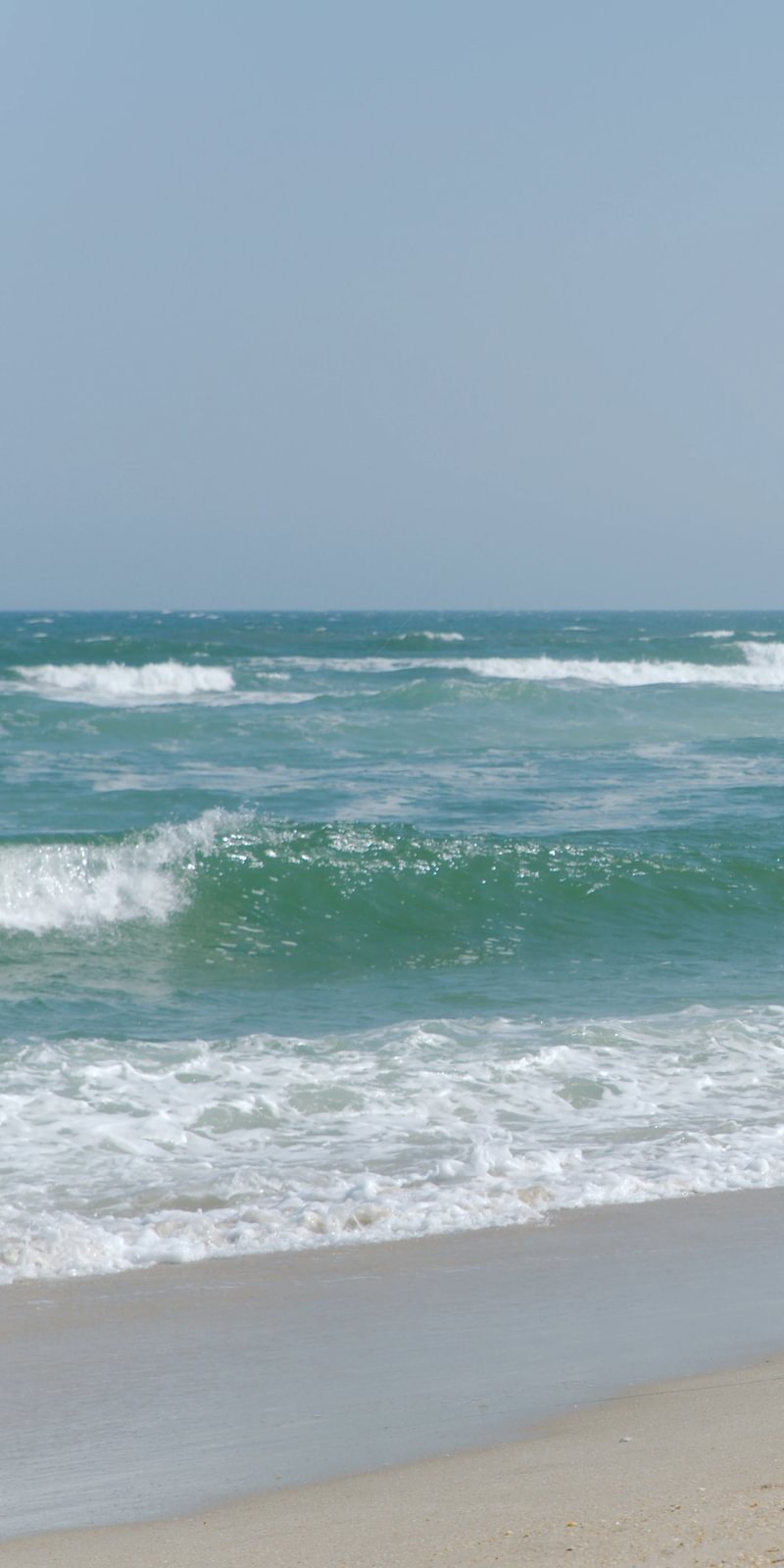
For most pending sales on Pensacola Beach, the date that will move your closing has nothing to do with the hurricane's wind. At 11:05 a.m. Eastern on Wednesday, October 7, 2026, Citizens Property Insurance Corporation stopped binding new coverage across the whole state. That was more than two days before Hurricane Isaias reached the western Panhandle. If your buyer was counting on a new Citizens policy to close, the deal paused that morning, whether or not the property ever loses a shingle. Some private carriers paused too, each on its own terms.
The standard Florida contract plans for exactly this. It treats a policy you can't get the same way it treats a closed road. Below is how the pieces fit together for a sale on the island, laid out as a snapshot as of the evening of October 9, 2026. Bridge status, binding status and re-entry will all change in the coming days.
The pause began before the storm did
The order of events matters, because the contract measures delays from the day performance first became impossible.
| Date and time | What happened |
|---|---|
| Oct. 7, 11:05 a.m. ET | Citizens suspended binding statewide for what was then Tropical Storm Isaias |
| Oct. 8, noon | Escambia County's evacuation order for Zones A and B, which includes Pensacola Beach, took effect |
| Oct. 9 | The county's Update #4 listed the Pensacola Bay, Theo Baars and Bob Sikes bridges as closed, and the Santa Rosa Island Authority as closed all day |
| Oct. 9, 3 p.m. | ECUA planned to shut off water and sewer service on Pensacola Beach until Isaias passed, according to the Pensacola News Journal |
| Oct. 9, 7 p.m. CDT | The National Hurricane Center placed Isaias about 45 miles southeast of Pensacola with 110-mph winds and expected landfall within one to two hours |
Citizens' rule is broad. Under it, agents may not bind applications for new coverage or for increased coverage, "regardless of effective date," once the National Weather Service issues a tropical storm or hurricane watch or warning for any part of Florida. The suspension isn't limited to counties under warning, and a policy dated to start next month doesn't get around it. Citizens says it will notify agents by follow-up email when the suspension is lifted. As of this writing, its binding alerts page still shows the October 7 notice as the latest entry.
Private carriers have their own rules. Florida Peninsula's homepage showed a notice that binding was suspended because of Isaias, without a start time, scope or end date. WINK News reported that some carriers stop statewide while others limit the pause to counties expected to be hit, and that carriers typically resume once the storm passes and warnings are lifted. Two buyers closing the same week on Pensacola Beach can face different timelines depending on which carrier they're working with.
The Citizens notice limits new policies and coverage increases. It says nothing about canceling a policy that was already bound before the suspension. A buyer whose agent bound coverage before Wednesday morning is in a different position from one who planned to bind it the week of closing. Confirming which group you're in with your insurance agent is the first phone call.
Why a lender won't close without that policy
For a buyer with a mortgage, a bound policy is a funding condition. Fannie Mae's Selling Guide requires windstorm coverage, including named storms, on one-to-four-unit properties. A separate section of the guide, Evidence of Property Insurance, says the lender has to verify that a qualifying policy is in place and keep evidence of it, and a loan whose policy can't be confirmed as qualifying is not eligible for Fannie Mae to purchase.
A second rule applies after the storm. Following a disaster, Fannie Mae expects lenders to take prudent steps to judge whether the property's condition may have changed, and to decide whether an inspection or a new appraisal is needed. Damage that is uninsured, or that affects safety, soundness or structural integrity, has to be repaired before the loan is delivered.
So a financed Pensacola Beach closing has two locks after Isaias. Coverage has to become available, and the lender has to be satisfied about the property's condition, which may require someone physically getting onto the island to look at it. A cash purchase doesn't carry the lender's requirement.
Standard G counts an unavailable policy as a storm delay
The Florida Realtors/Florida Bar AS IS Residential Contract, the form used for many sales here, puts insurance inside its force majeure clause. Standard G says neither party has to perform, or owes the other damages, while performance or "the availability of services, insurance, or required approvals essential to Closing" is disrupted or prevented by a Force Majeure event. Hurricanes, floods and extreme weather are on the list.
The clock works like this, based on the AS IS form text published by Florida Realtors:
- The event is considered to begin on the first day its effect prevents performance or the availability of insurance or approvals needed to close. For a buyer who couldn't bind coverage, that day may be October 7, not landfall day.
- Every affected deadline, including the Closing Date, extends a reasonable time, up to 7 days after the event no longer prevents performance.
- If the event keeps preventing performance more than 30 days past the Closing Date, either party may end the contract by written notice, and the deposit goes back to the buyer.
The 30 days run from the Closing Date written in the contract, not from the storm. A deal set to close on October 12 and a deal set to close on November 20 reach that termination point at very different times. The file we reviewed is a redline of the ASIS-7 revision, so check the exact version in your own signed contract, along with any addenda, with your attorney or closing agent.
Standard M draws the line at 1.5% of the price
If Isaias damaged the property after the contract's Effective Date, the risk-of-loss standard takes over. When restoration costs, including pruning or removing damaged trees, come to no more than 1.5% of the purchase price, the repair is the seller's obligation and closing goes ahead under the contract.
Take a hypothetical $600,000 sale. The seller's cap is $9,000. If repairs aren't done by closing, 125% of the estimated cost to finish is held in escrow, still capped at $9,000, and any unused amount goes back to the seller. If restoration would cost more than $9,000, the buyer chooses between taking the property as is with the 1.5% amount or getting the deposit back and ending the contract. For tree damage from a storm, the seller's only obligation is the cost of pruning or removal.
Standard L requires the seller, with reasonable notice, to provide utilities and access for appraisals, inspections and a walk-through, "or follow-up walk-through if necessary," before closing. On Pensacola Beach, that utilities language meets a real condition. Water and sewer on the island were scheduled to be off from 3 p.m. on October 9 until the storm passed.
On the island, repairs need SRIA sign-off first
Pricing a repair under Standard M is one step. Getting it done on Pensacola Beach adds another. Escambia County says all work on Pensacola Beach requires Santa Rosa Island Authority approval, even work the county's own building-permit rules would exempt. Permit applications go to the SRIA Floodplain Administrator for approval before they're submitted to Escambia County Building Services.
Under the county's post-storm permitting guidance:
- Emergency repairs that require a permit need an issued permit before work starts, and applications are due within seven days of the disaster.
- Removing washed-up debris, or debris from inside a structure, counts as minor work, but island work still needs SRIA approval.
- The FEMA 50% substantial-damage rule still applies. A property found to be substantially damaged has to meet community building requirements before it is repaired or rebuilt.
That last item can change a deal. A repair that looks like a quick fix on paper takes on a different scope and schedule if the structure is found to be substantially damaged. The SRIA approval step also adds time that a seller on the mainland in Gulf Breeze or Pensacola wouldn't face for the same repair.
What's still unknown tonight
Several things a pending sale depends on hadn't been announced as of October 9:
- Bridge reopening. The county's Update #4 gave no reopening or re-entry time for the closed bridges. Its Storm Center says closures depend on conditions.
- Who gets back on the island first. We did not find a current official re-entry sequence, pass requirement, or process for non-owners such as buyers, inspectors, appraisers, adjusters or agents. Escambia County and SRIA announcements are the place to watch.
- When binding resumes. Citizens has promised a follow-up notice. Private carriers will announce on their own schedules.
Isaias was also forecast to bring heavy rain, with the Hurricane Center calling for 4 to 8 inches across the Panhandle and isolated totals up to 15 inches. Inspections and appraisals may be scheduled around standing water as well as bridge status.
FAQ
Is a homeowners policy bound before October 7 still good? Citizens' notice restricts new coverage and increases. It doesn't say earlier policies are canceled. Your insurance agent can confirm your specific policy.
Does the 30-day termination right start at landfall? Under Standard G, it runs from the contract's Closing Date. Either party may terminate only if the event keeps preventing performance more than 30 days past that date.
Does fallen-tree cleanup count toward the 1.5%? Standard M includes pruning or removing damaged trees in restoration cost and limits the seller's tree obligation to that work.
If you were under contract on Pensacola Beach when Isaias arrived, Malinda Metzger can walk you through where your deal stands. That covers your contract's Closing Date, your insurance timing, and the SRIA steps any repair will need, so you'll be ready for the calls with your lender, insurer and closing attorney as the island reopens. Schedule Your Free Local Market Consultation.
This article is general information, not legal, tax or financial advice. Consult a qualified professional about your situation.