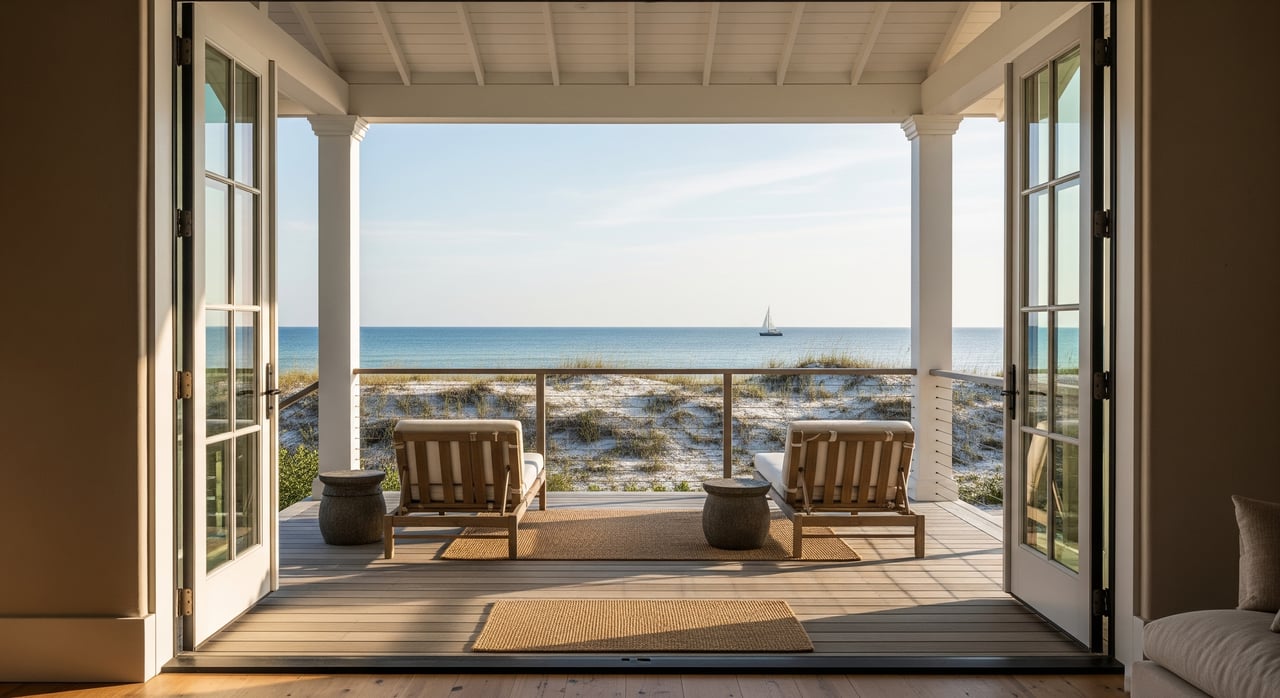
Thinking about making Pensacola home? Picture tree-lined streets, a lively historic downtown, and quick access to sugar-white beaches when you want a day by the water. If you are exploring a move, you likely want a clear view of daily life, costs, commutes, and where different lifestyles fit best. This guide walks you through neighborhoods, transportation, outdoor life, schools and services, insurance basics, and what to expect through hurricane season. Let’s dive in.
Neighborhoods at a glance
Downtown and Bayfront
Downtown is the city’s historic core with walkable blocks, restaurants, bars, and cultural venues near Pensacola Bay. You get festivals, live performances, and a steady calendar of community events within a compact footprint. Housing includes loft-style apartments, townhomes, and historic homes on nearby streets. If you want a car-light lifestyle and easy nights out, this area is a strong fit.
North Hill and East Hill
North Hill and East Hill feature older residential streets with historic bungalows and revival styles. Trees, porches, and pedestrian-friendly blocks create a classic neighborhood feel. You will find local cafes and small shops nearby, with parks and Bayou Texar access in reach. These areas often attract people who value character homes and a calm, neighborhood rhythm.
East Pensacola Heights and Cordova Park
These neighborhoods offer a mix of housing ages and prices with pockets of revitalization. You will see mid-century homes, renovated properties, and some newer construction. Access to shopping, dining, and everyday services is straightforward, and the commute to downtown is manageable. It is a practical choice if you want residential streets with city conveniences close by.
University area
Near the University of West Florida, the housing mix leans rental and student-focused, with apartments and townhomes more common. The university brings sports, lectures, and cultural events that spill into campus-adjacent neighborhoods. If campus life and easy access to nature trails appeal to you, this area has a lot to offer. It also suits staff and faculty who want short commutes.
Westside suburbs
West Pensacola, Ferry Pass, and Bellview trend more suburban, with larger lots and shopping centers along major corridors. Daily life centers on the car, with commutes oriented to I-110 and US-90. You get single-family homes, varied subdivisions, and plenty of parking. It is a straightforward option if you want more space and an easy drive to errands.
Pensacola Beach access
Pensacola Beach sits on Santa Rosa Island just across the bay. It is not within city limits, but it is a quick drive for residents who want Gulf-facing sands, fishing, and boating. Many locals plan weekend beach outings and sunset walks as part of their routine. If a true island lifestyle calls to you, beach-area condos and homes are close enough for daily access.
Housing and lifestyle fit
Pensacola’s housing stock spans historic single-family homes, mid-century properties, newer subdivisions, and apartments. Proximity to the water often influences price and availability, and condos with coastal or bay views sit at the higher end. Downtown and select historic neighborhoods reward walkability while most other areas remain car-centric. Your best fit comes down to how you balance space, commute, and access to cultural or coastal amenities.
Consider how you want to live day to day. If festivals and a short walk to dinner matter, target the urban core and nearby historic districts. If garage space and a yard are priorities, look to suburban pockets in West Pensacola and Ferry Pass. For island time, Pensacola Beach and nearby coastal communities provide a resort-leaning lifestyle with quick Gulf access.
Getting around Pensacola
Most residents drive for work and errands. I-110 connects downtown to I-10, with US-90 and US-98 serving as major corridors. Traffic peaks during morning and evening rush, especially on approaches to I-110, the Bay Bridge, and during festival weekends or tourist season.
Escambia County Area Transit (ECAT) operates bus routes that serve the city and surrounding areas. Service levels are modest compared with larger metros, so you will want to confirm route coverage and frequency if you plan to rely on transit. Select neighborhoods, including parts of downtown, North Hill, East Hill, and the university area, are more walkable and bikeable. Pensacola International Airport makes regional travel simple for frequent flyers.
Waterfront and outdoors
Pensacola’s identity is tied to the water. The downtown bayfront includes parks, marinas, and a landscaped promenade with room to run, stroll, and watch sailboats. Bayou Texar and other inlets thread into adjacent neighborhoods, offering launch points for kayaks and paddleboards.
Weekend plans often include boating, fishing, and beach time. Public parks and preserves make it easy to picnic, bird, or explore local trails. Outdoor concerts, markets, and festivals pick up in the warmer months and carry through much of the year.
Climate is subtropical, with hot, humid summers and mild winters. Hurricane season runs June through November, so residents keep evacuation plans, storm supplies, and insurance needs on the radar. Flood risk depends on elevation and proximity to water. Home shoppers typically review flood-zone status and factor flood insurance into the housing budget.
Work, schools, services
Pensacola’s economy benefits from a strong institutional base. Naval Air Station Pensacola is a major employer and influences the local housing and rental market. Healthcare systems, the University of West Florida, and Pensacola State College anchor year-round jobs. Tourism and hospitality also contribute, especially in downtown, beach, and waterfront-adjacent areas.
Grocery, retail, and daily services are spread along main corridors, with national chains and local markets throughout the city. The Escambia County School District serves public K–12 students, and there are private and parochial options in the area. For higher education, UWF and PSC add academic resources and cultural programming to the community calendar.
Cost and insurance basics
Housing is usually the largest cost driver, with prices and rents rising as you get closer to the water. Florida has no state income tax, which many relocating buyers consider when comparing overall cost of living. The state sales tax plus a county surtax applies to most purchases. Utilities reflect coastal climate realities, with heavier air-conditioning use in summer months.
Insurance is a key part of coastal living. Homeowners and flood insurance can be higher in low-lying or waterfront zones. Newer construction often reflects updated building codes intended for storm hardening. Buyers and renters should understand evacuation zones, review flood maps for each property, and budget for policy premiums that match the location’s risk profile.
Daily life snapshots
- The downtown professional: You might walk to a local coffee shop, work in an office near the bayfront, then meet friends for a concert at a historic theatre. Weekend mornings are for the farmers market, and Sunday afternoons for a quick beach trip.
- The East Hill family: Mornings start with a neighborhood school drop-off and a commute along US-90. Afternoons are for bike rides to a park near Bayou Texar. On Saturdays, you split time between soccer and a casual dinner downtown.
- The military household: Stationed at NAS Pensacola, you plan around base schedules and occasional flight activity. Renting near West Pensacola puts you close to work and everyday shopping. Beach days and Blue Angels sightings become part of the routine.
Pensacola vs Gulf towns
Pensacola is a coastal city first, with a historic downtown and year-round employment base. It offers beach access without being solely resort-driven. Nearby Gulf Coast communities can command premium prices tied to vacation markets, while Pensacola often provides a wider range of housing types and price points. You still enjoy white-sand beaches and clear water, but with the balance of a functioning local economy and cultural calendar.
Relocation checklist
- Define your lifestyle priorities: walkability, yard space, or water access.
- Test-drive your commute during peak times on I-110, US-90, or US-98.
- Map flood zones for target addresses and plan hurricane preparedness.
- Budget for homeowners and flood insurance alongside mortgage or rent.
- Compare neighborhoods for bikeability and park access if outdoor time matters.
- Visit in different seasons to see traffic, events, and crowd patterns.
- Partner with a local agent who understands coastal considerations and neighborhood nuances.
Ready to narrow your search to the right streets and properties for your lifestyle? Schedule your Free Local Market Consultation with Malinda Metzger for hands-on guidance through Pensacola’s coastal and suburban options.
FAQs
Is Pensacola a beach town or a city?
- It is a coastal city with a historic downtown and year-round services, plus quick access to Gulf beaches for weekend and after-work outings.
How long are commutes in Pensacola?
- Commutes are modest compared with large metros but depend on your route, with peak congestion around I-110, major arterials, and the Bay Bridge.
What is the cost of living like in Pensacola?
- Housing drives costs most, Florida has no state income tax, and insurance for coastal and low-lying areas can add to monthly budgets.
How does hurricane season affect daily life in Pensacola?
- Residents maintain go-kits, track advisories during June through November, know evacuation zones, and factor flood insurance into housing decisions.
How walkable and bikeable is Pensacola?
- Downtown, parts of North Hill and East Hill, and the university area are more walkable, while most other neighborhoods are car-dependent.
How does the Navy presence affect Pensacola residents?
- NAS Pensacola supports jobs, brings community events like air shows, and influences housing demand, with occasional flight activity near the base.